Could adults with a range of mobility disabilities, none of whom had tried high-intensity functional training before, join a community gym program three times a week and stay with it? A University of Kansas team ran a 12-week pilot to find out. The results appeared in the journal Pilot and Feasibility Studies in November 2025.
The program ran inside Adaptive Athletes in Motion (AAIM), the adaptive training program of Bloc Life, at three facilities in the greater Kansas City area.
Read Full StudyWhat the Study Asked
Earlier HIFT studies in disability were limited to one condition, one site, or delivery by physical therapists. This pilot asked whether certified HIFT trainers could deliver the program in ordinary community gyms to people with different disabilities. Feasibility came first: recruitment, retention, attendance and safety. Early health effects were a secondary question.
Who Took Part
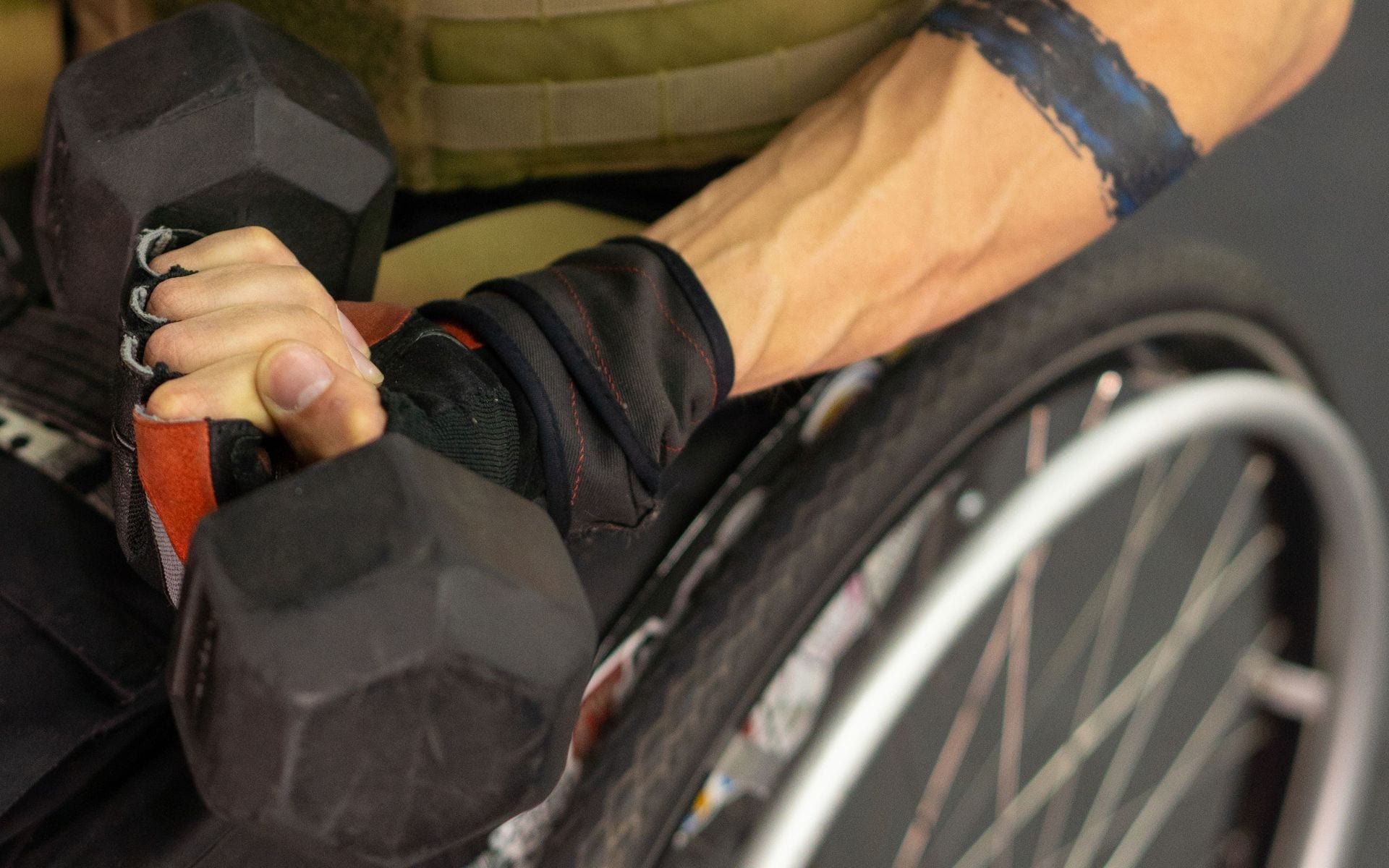
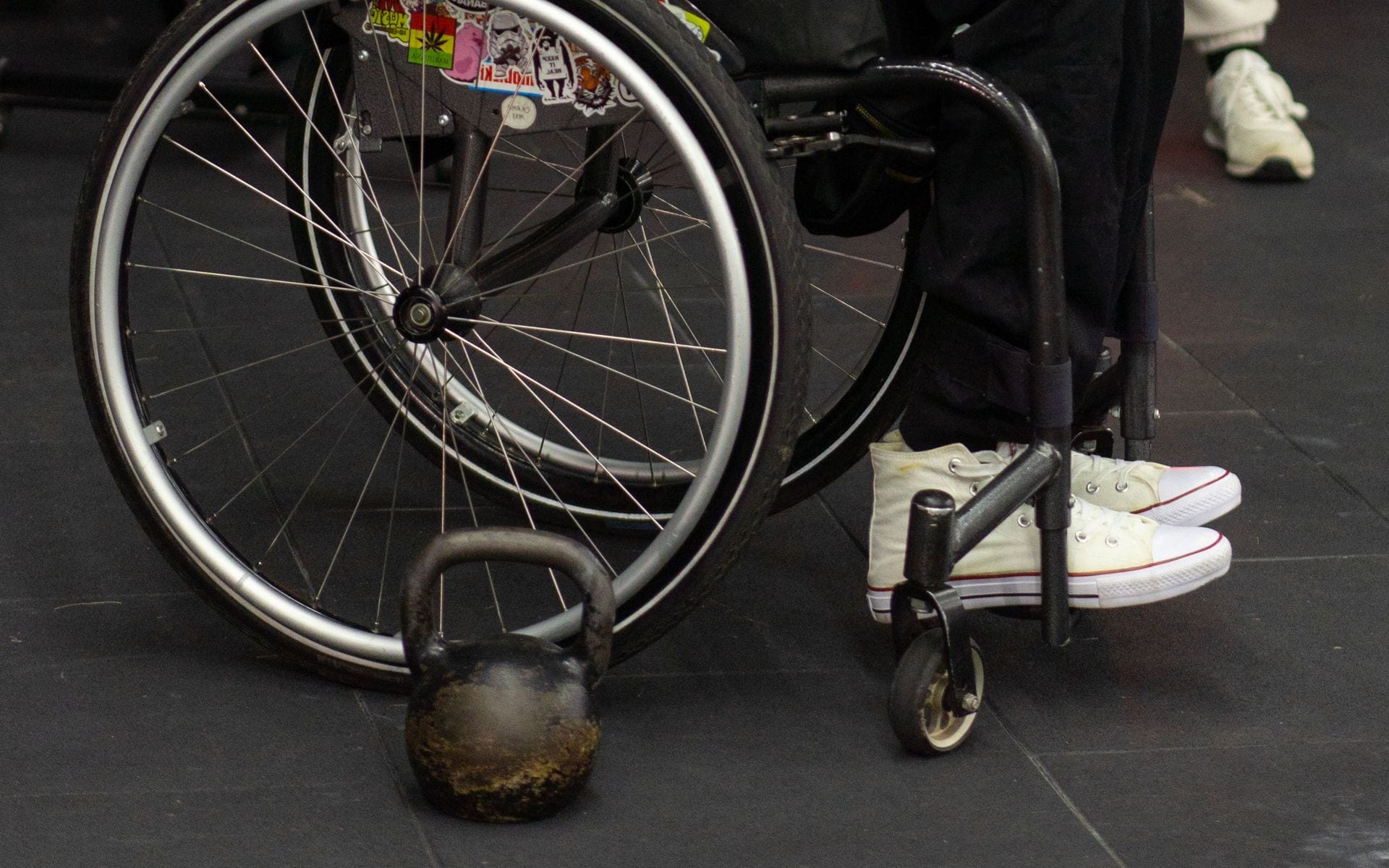
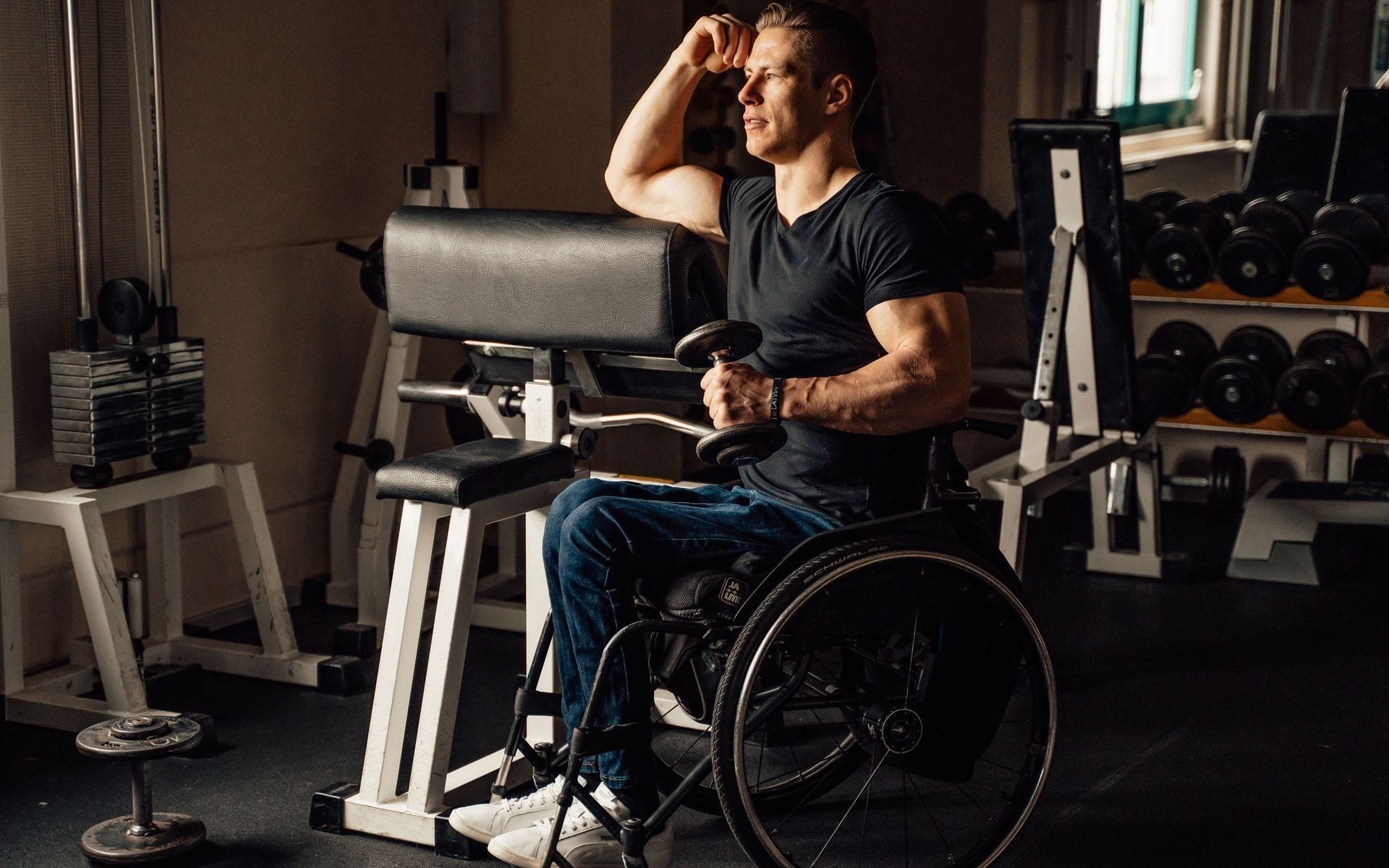
Twelve adults aged 37 to 74 began the program, and 75% were women. Ataxia was the most common condition (five participants), followed by multiple sclerosis (three), spinal cord injury (two), general injury (one) and muscular dystrophy (one). Seven used an assistive device at least part of the time, most often a walker or cane; two used manual wheelchairs. Recruitment ran from September 2023 to June 2024.
How the Program Worked
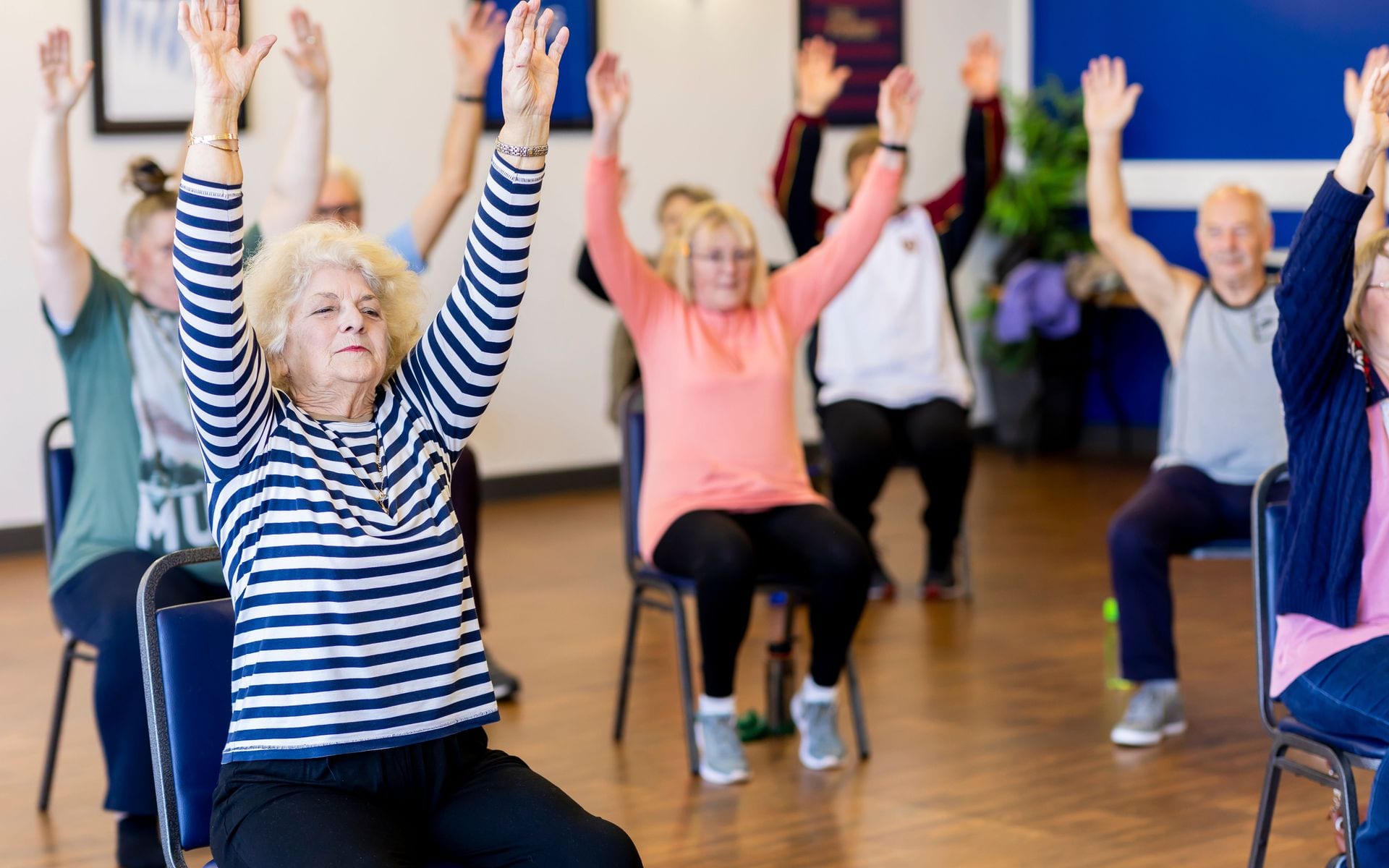
Each site offered five 60-minute classes a week, and participants were asked to attend three. Everyone completed two onboarding sessions first. A session included a warm-up, a workout of 10 to 25 minutes and a cool-down.
The head trainer held CrossFit Level 3 and Adaptive and Inclusive Trainer credentials and had more than ten years of experience. Each site had at least two certified adaptive trainers, and classes kept one trainer for every five participants. Movements were adapted for seated or standing work following Adaptive Training Academy guidelines, which keep the intended stimulus of the workout. Some participants moved from seated to standing exercise as their balance and strength improved.
Feasibility Results
Thirty-seven people expressed interest and 19 consented, a 51% recruitment rate. Ten of the 12 who started finished the program and post-testing, for 83% retention. Attendance was 77.5%, or 2.33 sessions a week. Retention and attendance met the commonly used thresholds for moving to a larger trial. Recruitment fell short of the 70% benchmark.
One non-injurious fall happened during a session. Three other incidents, one fall and two cases of increased pain, occurred outside the sessions and led to temporary changes such as switching to seated exercise.
Health Outcomes
Participants rated their performance of daily activities they chose themselves, and their satisfaction with it, using the Canadian Occupational Performance Measure. Both showed large effects (d = 0.93 and 1.04). Performance rose 1.3 points on average, just under the two-point change often treated as clinically meaningful. Satisfaction rose 2.2 points.
Both work capacity tests improved. Participants added 21.6 repetitions on the first (d = 0.65) and finished the second 285 seconds faster (d = 1.59). Effects were large for quality of life (d = 1.04) and self-efficacy (d = 1.03), and medium for perceived barriers to healthy behavior (d = 0.48). Changes in grip strength, flexibility, weight and body mass index were small.
The team also measured energy expenditure with portable equipment, which they believe is a first for HIFT in this population. Sessions averaged about 155 kilocalories, which corresponds to moderate intensity for this group.
What Participants Said
In exit interviews, participants described trainers as welcoming and highly knowledgeable about disability and exercise. One said, “And then when I showed that I could do it, [primary trainer] stepped away and let me trust myself.” Another said, “I just love being with the people. I do not have very many environments where I get to just be around other people with disabilities.”
The barriers were practical: transportation, bad weather, and class times at 10 am and 3 pm that were hard for people with full-time jobs.
Because the study ran inside an existing program, participants could keep attending afterward, with sliding-scale rates and scholarships available. Eighty percent were still active at four weeks, 70% at eight weeks and 50% at 24 weeks.
Limits of the Study
This was a single group with no comparison group. The authors state that the small sample limits the ability to attribute changes to the program, and that effect sizes may be inaccurate. The sample had little racial and ethnic diversity. They recommend a randomized trial with a larger sample, more flexible class times and objective functional tests.
Sources
Koon, L. M., Donnelly, J. E., Washburn, R., Sherman, J. R., Kroeger, M. M., Swinburne Romine, R. E., Handlery, R., & Handlery, K. (2025). Feasibility and preliminary functional, physical, and psychosocial effects of high-intensity functional training for adults with mobility disabilities. Pilot and Feasibility Studies. https://doi.org/10.1186/s40814-025-01725-2
ClinicalTrials.gov. HIFT for People with Mobility-Related Disabilities (Research GO), NCT05516030. https://clinicaltrials.gov/study/NCT05516030
The study was supported by internal funding from the University of Kansas Center for Research. The authors acknowledge the Adaptive Athletes in Motion program of Bloc Life, Inc. and the Adaptive Training Academy for their collaboration.