The pilot studies summarized on this page were small by design. In December 2025 the University of Kansas announced the next step: a three-year, $750,000 grant from the National Institute on Disability, Independent Living, and Rehabilitation Research. Lyndsie Koon of the KU Life Span Institute leads the project.
Read KU AnnouncementWhat the Grant Funds
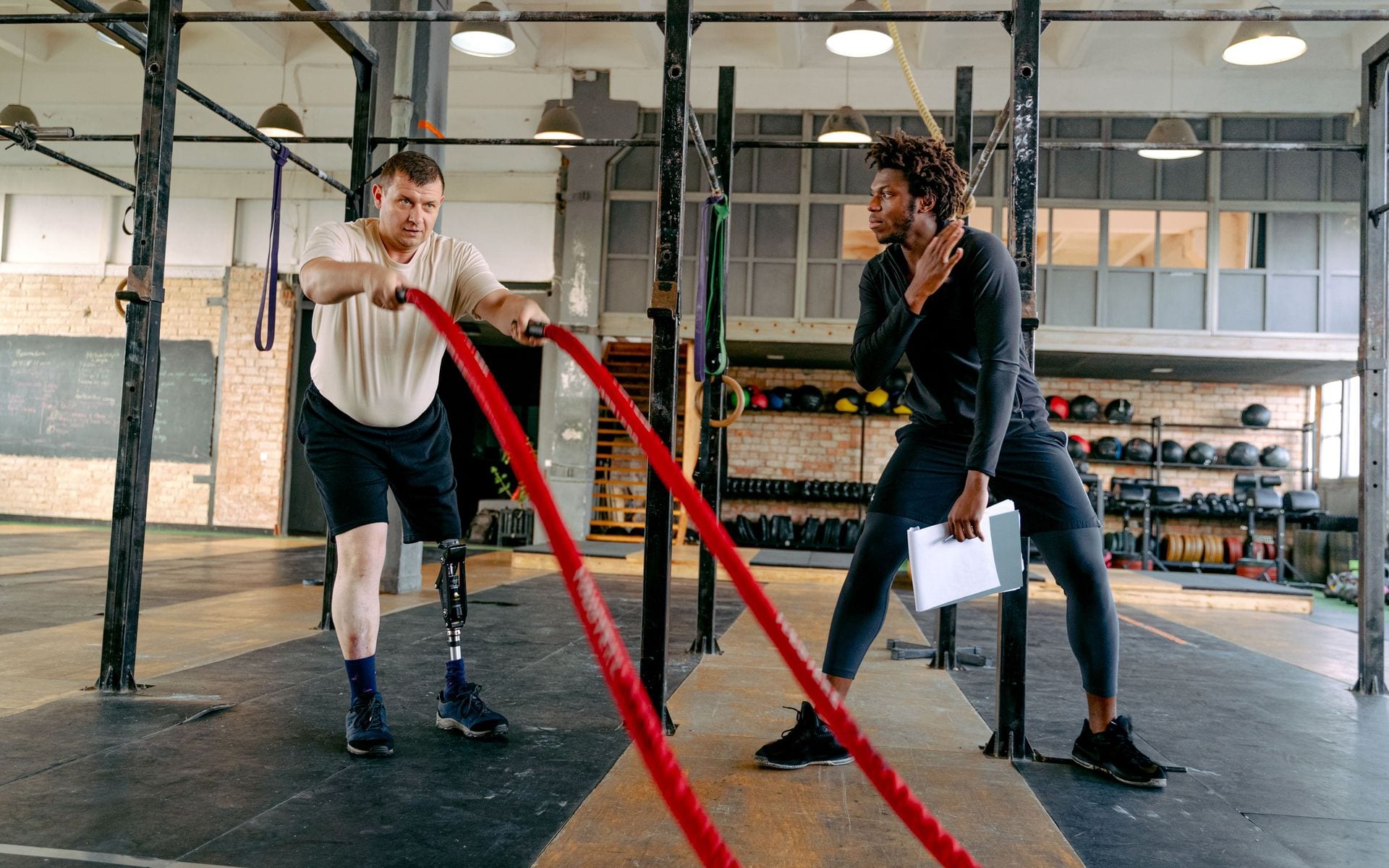
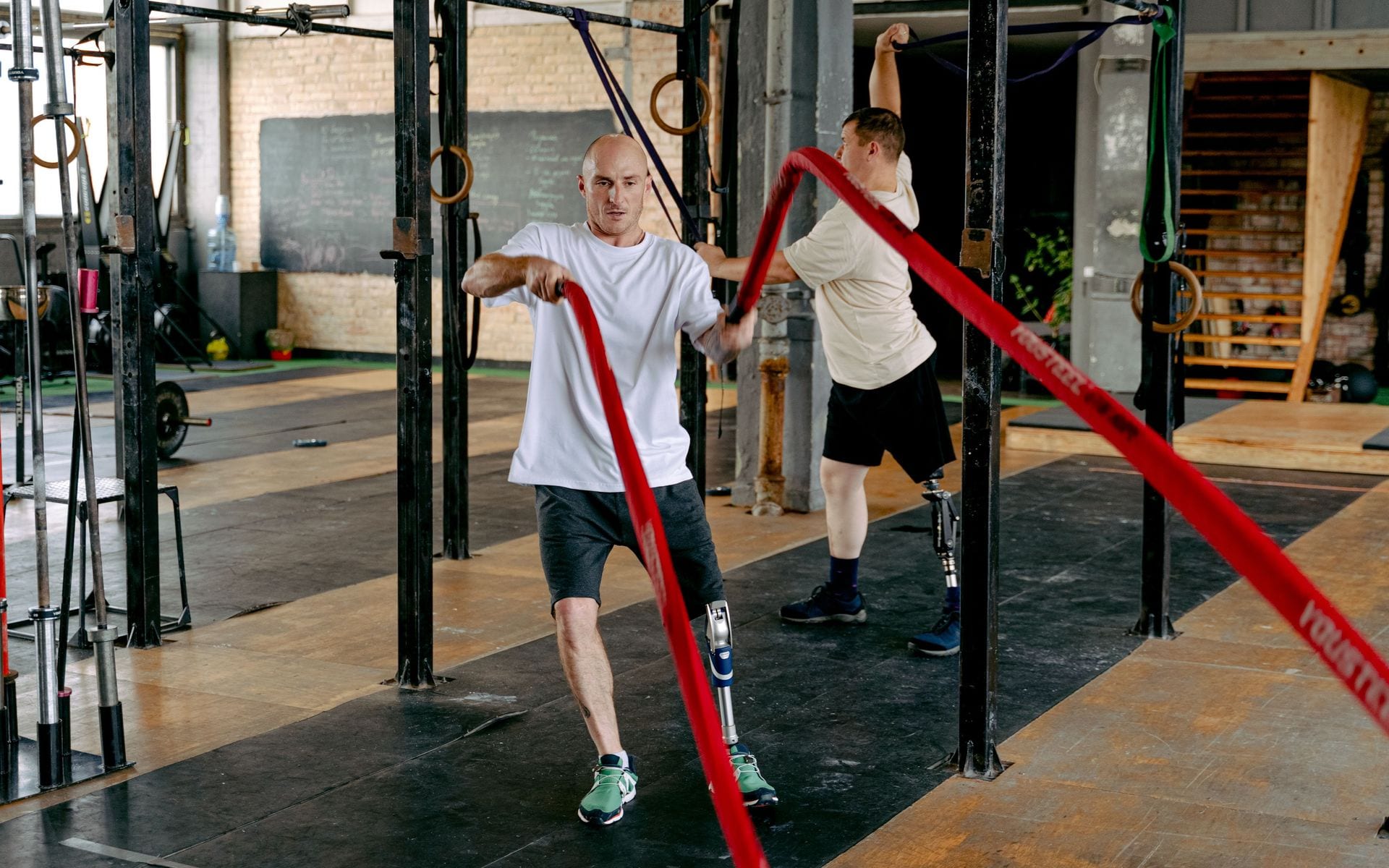
The project recruits adults aged 18 to 74 who have mobility disabilities to take part in a functional fitness program. As in the pilots, the training is group exercise at community functional fitness facilities, led by a coach trained in adaptive exercise. Koon told KU that the primary goal is to help participants maintain or improve physical function, which people with physical disabilities often name as their main reason to exercise.
Where It Runs
KU lists five locations: North Kansas City, Missouri; Mission, Basehor and Lawrence in Kansas; and Houston, Texas. The Lawrence site is Kaw Valley CrossFit, an AAIM affiliate gym. Its owner, Alec Barowka, is certified through the Adaptive Training Academy and partnered with Koon on the earlier studies.
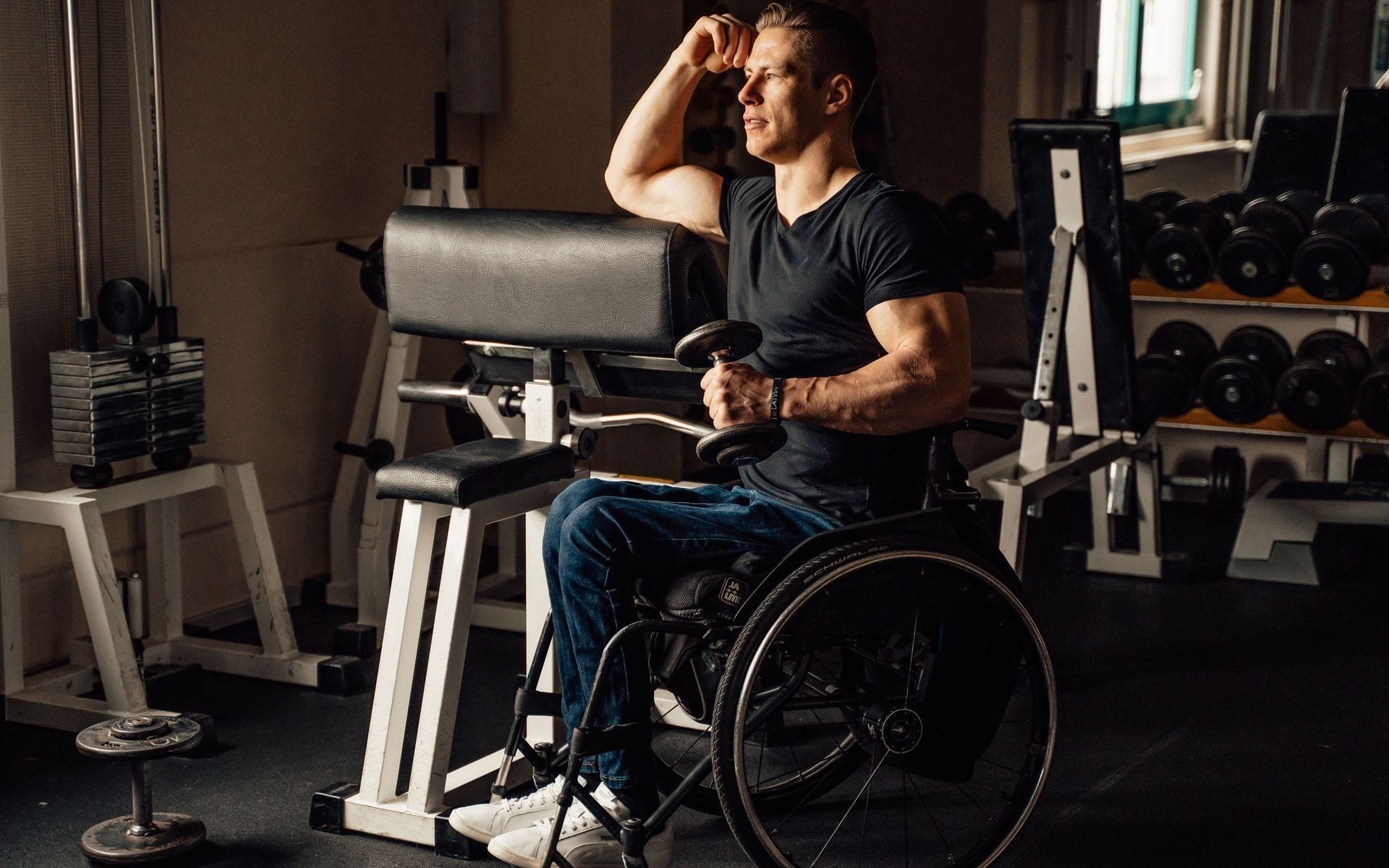
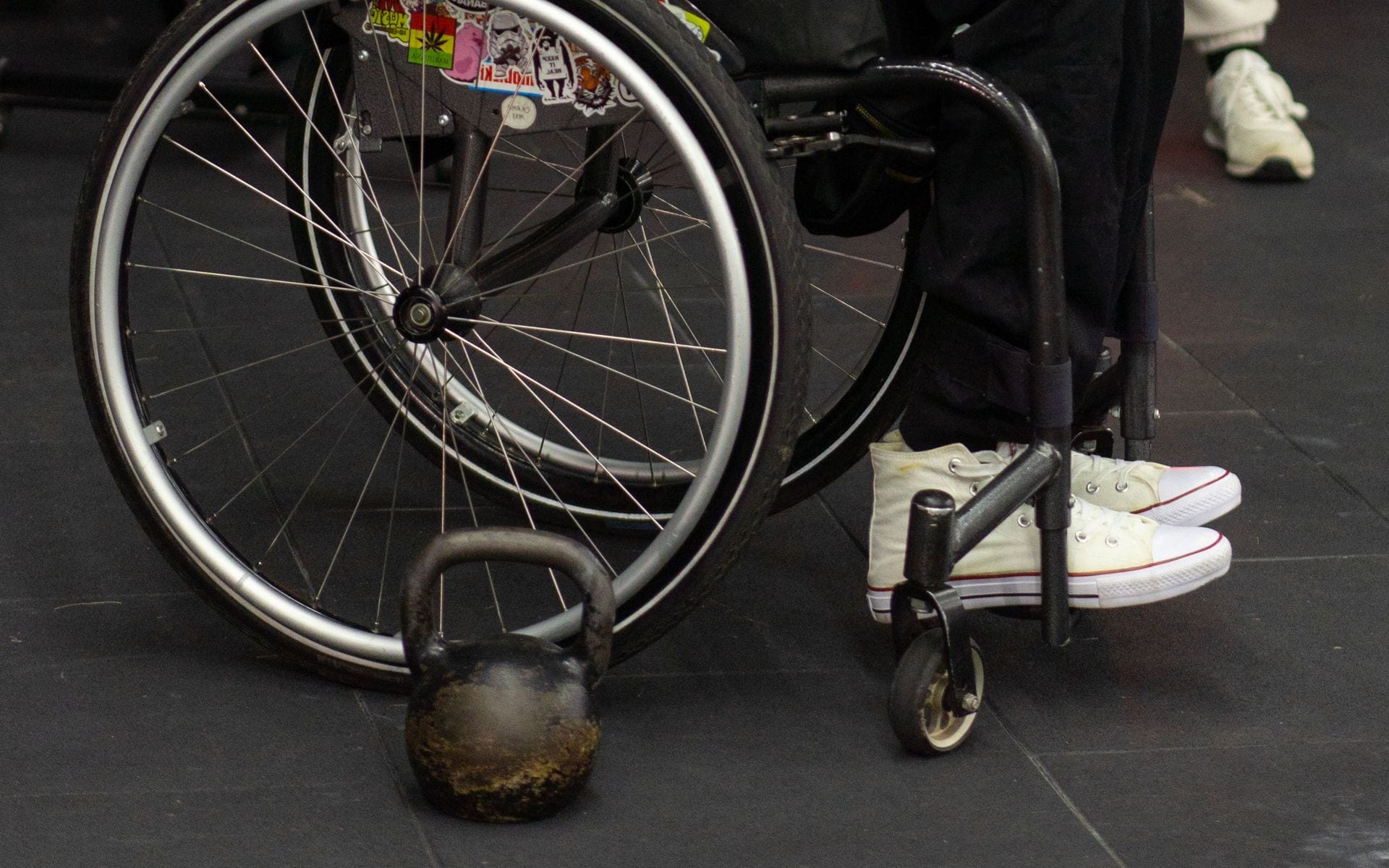
The announcement notes that Kaw Valley recently opened a 2,500-square-foot adaptive space next to its main facility, with equipment set up for individual needs, such as lower handles that can be reached from a wheelchair. KU expects Assistive Technology for Kansans, another Life Span Institute project, to use part of the space for device demonstrations.
What Earlier Participants Did After the Studies Ended
The announcement reports follow-up numbers from two pilot groups. Twelve weeks after the programs ended, 74% of one group and 50% of the other were still training. A year later the figures were 42% and 20%. Because the classes are ongoing community programs, participants can stay once the research is over.
Taking Part
As of September 2026, the KU Life Span Institute study page says the team is recruiting adults aged 18 to 74 with a permanent mobility disability. It describes surveys and assessments before and after the program, two functional fitness classes a week for 14 weeks at a location the participant chooses, a covered membership for that period, and up to $200 in compensation depending on group assignment and activities completed. The December announcement described a 16-week program, so the study page is the current reference.
Enrollment is handled by the university, not by Bloc Life. The study page lists the contact as Lyndsie Koon, Ph.D., and includes the interest survey.
View KU Study PageWhy It Matters
The announcement repeats two figures that frame the work: people with mobility disabilities are 66% more likely to be overweight or obese than their non-disabled peers, and fewer than half are physically active. Koon points to inaccessible gyms and limited awareness among trainers and medical providers. A multi-site study is how a promising pilot result gets tested at a scale that can change practice.
Sources
Knott, C. (2025, December 17). Grant to expand community-based research project focused on people with mobility disabilities. KU Life Span Institute. https://lifespan.ku.edu/news/article/grant-to-expand-community-based-research-project-focused-on-people-with-mobility-disabilities
KU Life Span Institute. Join our Adaptive Fitness Research. Accessed September 17, 2026. https://lifespan.ku.edu/join-our-adaptive-fitness-research-study