
Adaptive sports coverage too often softens the story before the performance even gets a chance to speak. Tahmar Upshaw's 1:48.80 in the men's T46 800 meters does the opposite. It forces the conversation back to speed, preparation, competitive structure, and the record book.
In this report, we look at why Upshaw's world record matters beyond one race. The story is not about lowering the bar. It is about what happens when an adaptive athlete gets the structure, coaching, competition, and expectations needed to measure progress at the highest level.
Tahmar Upshaw Ran the 800 Meters Faster Than the T46 Record Book Had Ever Seen
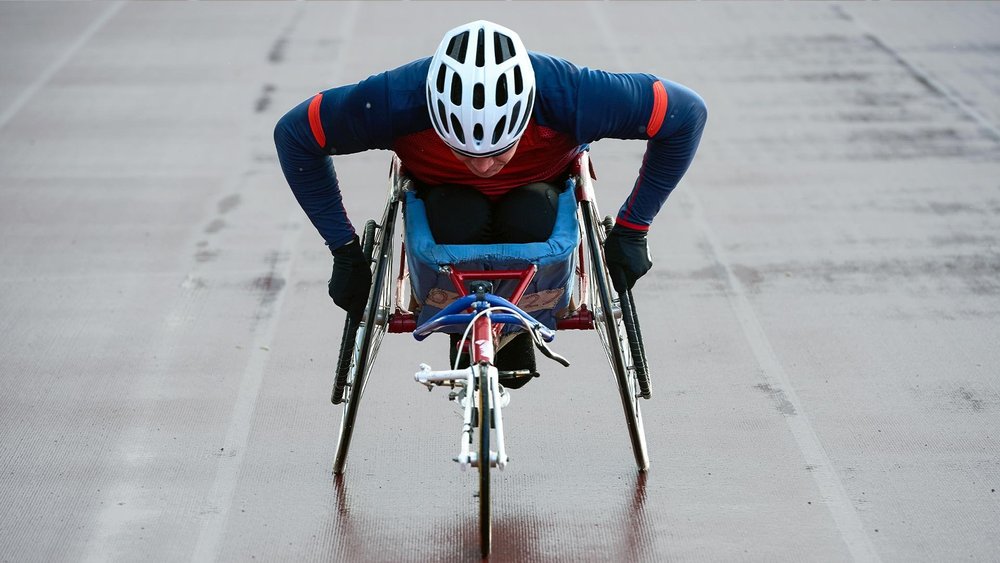
Tahmar Upshaw stepped on the track at the Bryan Clay Invitational on April 17 and ran 1:48.80 in the men's 800-meter T46. The time broke the previous world record of 1:51.82, set by Austria's Gunther Matzinger at the London 2012 Paralympic Games. That is not a small record. That is more than three seconds cut from a mark that had survived for nearly 14 years.
The way Upshaw described the race tells you how prepared he was. He had planned the attempt since January. He knew the record was reachable. He wanted lane one, clean positioning, and the chance to execute. At the 600-meter mark, he saw a 1:20 split and knew the pace was moving.
The finish confirmed it: 1:48.80, a world record, and the first time his 800-meter ability crossed under the 1:50 barrier he had once imagined as a dream line.
The story matters because it refuses the soft version of adaptive sports coverage. Upshaw is not a nice human-interest feature who happens to run. He is a college athlete at Austin Peay State University, a redshirt junior, a Parapan American Games medalist, and now the fastest T46 800-meter runner ever recorded. His classification gives context. It does not lower the bar.
There is a development story inside the performance too. Upshaw did not enter his first Para track meet until 2023. By 2026, he was not just chasing selection. He was changing the record book while talking openly about Los Angeles 2028 as the goal sitting in front of him.
That is the part Bloc Life's audience should notice. The athlete did not become world-class because someone gave him a watered-down lane. He became world-class because he found the right competitive structure and kept training into it. Adaptive athletes need real standards, real coaching, real competition, and real places to measure progress.
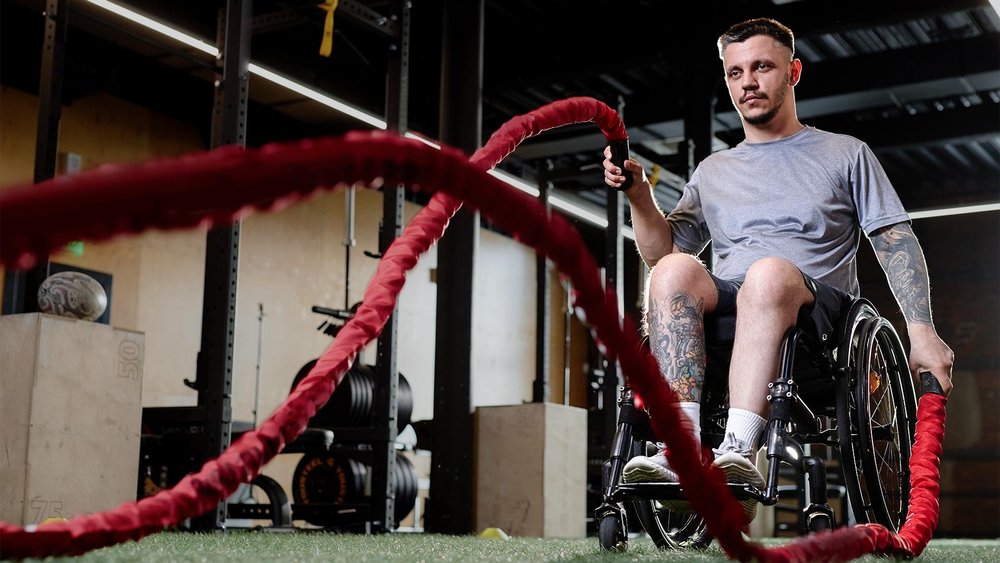
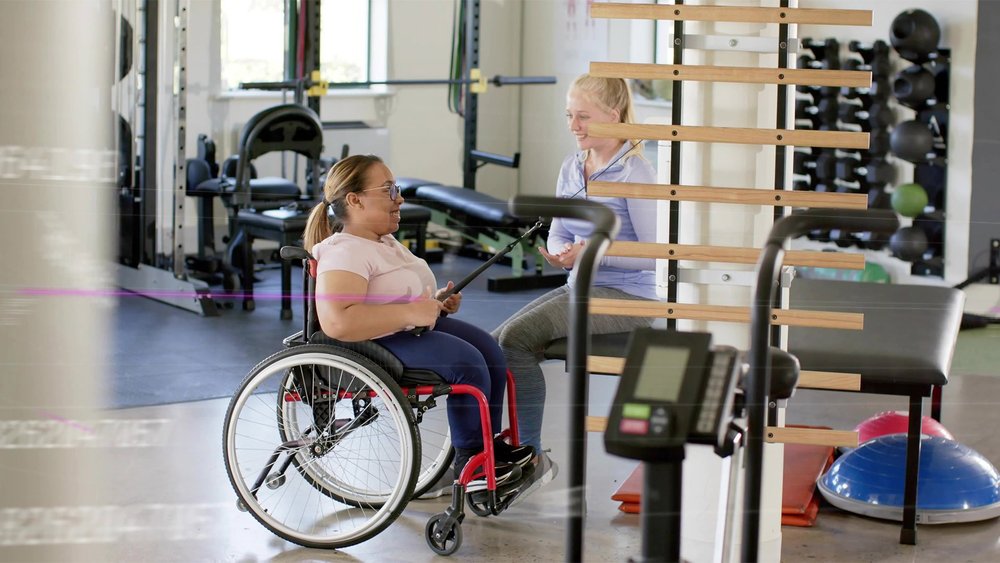
Visibility creates accessibility, but visibility only matters when it shows the truth. The truth here is that Upshaw ran an 800 so fast it forced the sport to recalibrate. Bloc Life exists for the same kind of recalibration at the community level. Not pity. Not participation theater. Training that treats the athlete like an athlete from the first session.
Sources
U.S. Paralympics Track & Field. (2026, May 6). Tahmar Upshaw Surpassed What He Thought Was Possible With World Record At The Bryan Clay Invitational. https://www.usparatf.org/news/2026/may/06/tahmar-upshaw-surpassed-what-he-thought-was-possible-with-world-record-at-the-bryan-clay-invitational
World Para Athletics. (2026). World Para Athletics Grand Prix 2026. https://www.paralympic.org/athletics/grand-prix-2026
U.S. Paralympics Track & Field. (2026, May 21). Increased Competition At Grand Prix Events This Year Should Pay Off In 2028 For U.S. Track-And-Field Athletes. https://www.usparatf.org/news/2026/may/21/increased-competition-at-grand-prix-events-this-year-should-pay-off-in-2028-for-u-s-track-and-field-athletes